

BJJ Nutrition: What to Eat Before and After Training
BJJ nutrition is one of the most overlooked factors in progression. We spend hours on the mats, buy premium gis, and watch technique videos until 2 AM. Yet we eat a burger 45 minutes before sparring...

BJJ nutrition is one of the most overlooked factors in progression. We spend hours on the mats, buy premium gis, and watch technique videos until 2 AM. Yet we eat a burger 45 minutes before sparring and skip the post-training meal because we’re “not hungry.” We’ve all been there. The result is predictable: lower performance, slower recovery, higher injury risk.
Table Of Content
- Why does BJJ nutrition matter so much?
- What are the essential macronutrients for BJJ nutrition?
- What should you eat before BJJ training?
- What should you eat after BJJ training to recover properly?
- How should you hydrate for BJJ?
- How to manage weight for BJJ without sacrificing performance?
- Which supplements are actually worth it for BJJ?
- Conclusion: BJJ nutrition, the invisible training session
- FAQ: BJJ nutrition questions answered
Brazilian jiu-jitsu is a demanding sport. It combines endurance, explosive power, coordination, and mental resilience. Each of these components depends partly on what you eat, and especially on when you eat it. In this complete guide, we break down everything you need to know about BJJ nutrition: what to eat before training to perform, what to eat after to recover, and how to adapt these principles to your daily routine.

Why does BJJ nutrition matter so much?
BJJ nutrition matters because Brazilian jiu-jitsu simultaneously engages three energy systems. A poorly fueled practitioner lacks explosiveness, recovers slower, and gets injured more often. Adapting your diet is essentially adding an invisible training session to your routine.
More specifically, the phosphagen system fuels short explosive efforts, the glycolytic system powers intense exchanges lasting several seconds, and the aerobic system keeps you going through a full session. In other words, your body needs quality fuel, available at the right time.
A practitioner who neglects their diet doesn’t just progress slower. They also get injured more often and recover less efficiently. This is why BJJ nutrition should be treated as a training session in its own right.
What are the essential macronutrients for BJJ nutrition?
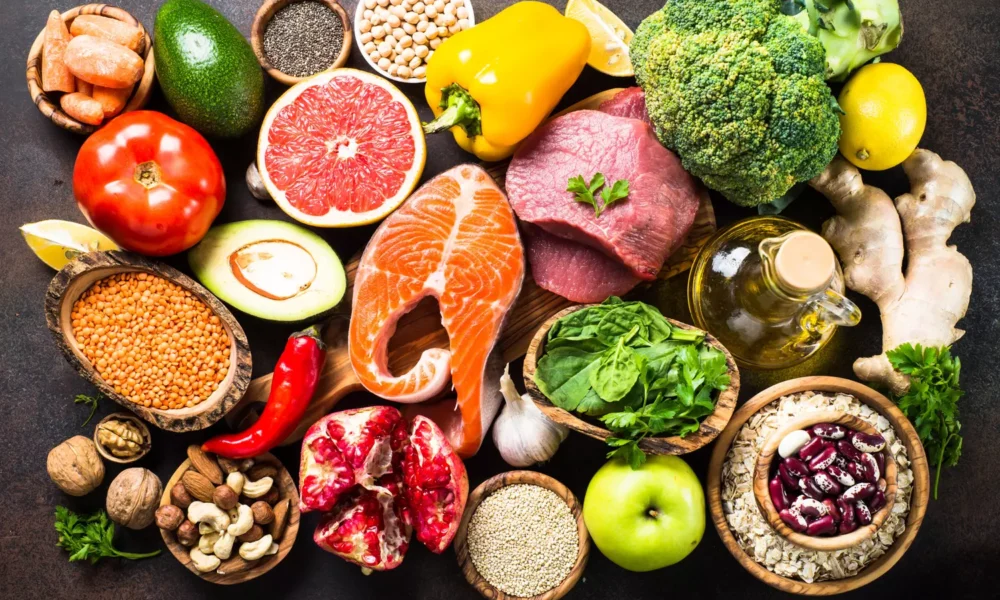
The three essential macronutrients for BJJ nutrition are carbohydrates (the primary fuel during training), proteins (critical for muscle repair after each session), and quality fats (anti-inflammatory role and hormonal support). Each plays a specific role, and neglecting any one of them compromises the other two.
Carbohydrates: the number one fuel for BJJ
In BJJ, high-intensity exchanges (takedowns, scrambles, submissions) are predominantly anaerobic. But a full session spans a long duration with repeated efforts. In this context, muscle glycogen is the primary fuel source. It consists of carbohydrates stored in the muscles and liver.
A practitioner who trains with low reserves will be slower, less explosive, and mentally duller. It’s as simple as that. Complex carbohydrates (rice, pasta, whole grain bread, sweet potatoes, oatmeal) provide stable, long-lasting energy. Simple carbohydrates (fruits, juice) are useful for a quick top-up right before training.
Protein: essential for BJJ recovery
Every BJJ session creates micro-tears in muscle fibers. These tears need to be repaired. That’s precisely the role of protein: providing the amino acids necessary for rebuilding. Without sufficient intake, recovery slows down. Soreness persists. Injury risk increases over time.
For a practitioner training three times a week or more, an intake of 1.6 to 2 grams of protein per kilogram of body weight per day is recommended. For those using imperial units, that’s roughly 0.7 to 0.9 grams per pound. Best sources: lean meats, fish, eggs, dairy, legumes, and tofu.
Fats: often overlooked in BJJ nutrition
Fats have a bad reputation in the sports world. That’s unfair. Essential fatty acids, particularly omega-3s, play a well-documented anti-inflammatory role. They support joint health and help regulate hormones. A deficit in quality fats is incompatible with optimal recovery in BJJ.
Good sources: fatty fish (salmon, sardines, mackerel), avocados, nuts, olive oil, flax seeds, and chia seeds. On the other hand, limit excess saturated fats and trans fats (processed foods, fried items).
What should you eat before BJJ training?
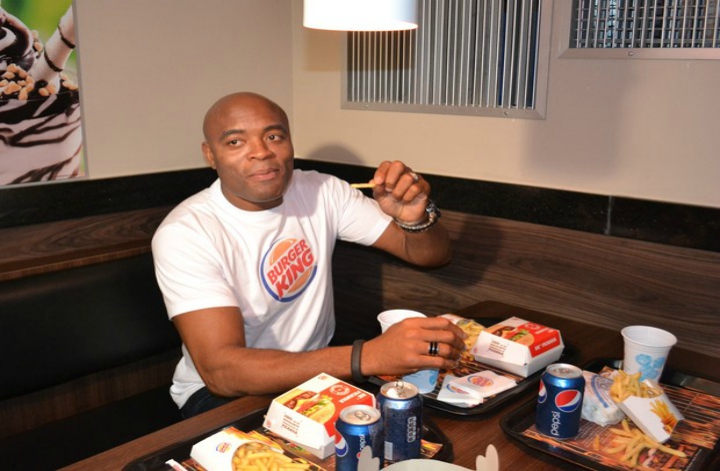
Before BJJ training, you should eat a meal rich in complex carbohydrates with a moderate portion of protein, ideally 2 to 3 hours before the session. If time is short, a light snack based on simple carbs (banana, dates) 30 to 60 minutes before is enough. The goal: not too close, not too far, not too heavy.
The main meal: ideally 2 to 3 hours before
A full meal two to three hours before training gives your body time to digest properly. Energy reserves become available right when you need them on the mats. This meal should be rich in complex carbohydrates and contain a moderate portion of protein. However, it’s best to limit excess fats and fiber: they slow digestion and can cause discomfort during rolls.
Here are some practical examples well suited to BJJ nutrition before training:
- White rice + chicken breast + cooked vegetables (low fiber)
- Pasta + tuna + light tomato sauce
- Sweet potato + eggs + a moderate amount of avocado
- Oatmeal + banana + Greek yogurt (ideal for morning sessions)
The quick snack: 30 to 60 minutes before BJJ
Eating a full meal before training isn’t always possible. Evening classes after work, packed schedules: the constraints are real. In that case, a light snack 30 to 60 minutes beforehand does the job. The goal is simple: get some fast-acting carbs in without overloading your digestion.
Good options: a banana, a natural granola bar, a handful of dates, or a glass of fruit juice with some almonds. Avoid anything high in fat or fiber at this point. These slow digestion and can cause cramping during training.
Training BJJ on an empty stomach: good or bad idea?
Some practitioners train fasted, especially those who practice intermittent fasting. For light technique sessions or drilling, this can work without major consequences. However, for intense sparring, training on a completely empty stomach is counterproductive. Explosive performance and focus depend directly on blood sugar levels. Even intermittent fasting advocates benefit from consuming a minimum of carbs before a hard session.
📌 Key takeaway: pre-training nutrition
✔️ 2-3 hours before: full meal with complex carbs + moderate protein
✔️ 30-60 min before: light snack (banana, dates, granola bar)
✔️ Avoid: excess fats, high fiber, heavy meals
✔️ Fasted: OK for light drilling, not recommended for sparring
What should you eat after BJJ training to recover properly?
After BJJ training, the ideal meal combines protein and carbohydrates within 30 to 60 minutes of finishing the session. This window is when your body is most receptive to nutrients. A ratio of roughly 3 to 4 grams of carbs per 1 gram of protein is recommended after intense, prolonged effort.
Protein and carbs: the key duo for post-BJJ nutrition
Protein rebuilds muscles damaged by sparring. Carbs replenish the glycogen burned during training. Together, they speed up recovery and prepare your body for the next session.
Here are some post-training meal examples well suited to BJJ nutrition:
- Rice + salmon + steamed vegetables
- Vegetable omelet + whole grain bread
- Skyr or Greek yogurt + fruit + granola
- Lentils + rice + egg (complete vegetarian option)
- Protein shake + banana (quick option if a full meal isn’t possible within the hour)
What to eat after a late-night BJJ session?
BJJ is often practiced in the evening. Many classes end at 10 or 11 PM. We all know the feeling: you get home exhausted, you’re starving, and the temptation to grab whatever’s in the fridge is real. But a heavy meal at that hour disrupts sleep, which happens to be essential for recovery. The solution: a light but nutritious meal, rich in protein and moderate in carbs.
Good options for late-night post-training: cottage cheese with fruit, scrambled eggs with whole grain bread, lentil soup, or Greek yogurt with nuts and honey. Avoid heavy, greasy, or spicy meals, as they delay falling asleep.
📌 Key takeaway: post-training nutrition
✔️ Within 30-60 min: protein + carbs (1:3 or 1:4 ratio)
✔️ Late sessions: light meal (cottage cheese, eggs, Greek yogurt)
✔️ Avoid at night: heavy, greasy, or spicy meals
✔️ Quick option: protein shake + banana when cooking isn’t realistic
How should you hydrate for BJJ?
To hydrate properly for BJJ, drink regularly throughout the day, consume around 500 ml (17 oz) of water in the two hours before training, and rehydrate progressively after the session. A dehydration level of just 2% of body weight is enough to measurably reduce both cognitive and physical performance.
Before the session
Arriving well hydrated is a basic requirement. Drink regularly throughout the day. Consume around 500 ml (17 oz) of water in the two hours before training. Urine color is your best indicator: pale yellow means you’re good; dark yellow or amber means drink more.
During the session
Take small, regular sips during breaks. Don’t wait until you’re thirsty, as that’s a late signal of dehydration. For shorter sessions (under 90 minutes), plain water is fine. For longer sessions or hot environments, an electrolyte drink helps compensate for sodium and potassium losses from sweating.
After the session: rehydration and herbal teas for recovery
Rehydrate progressively after training. A simple rule: drink approximately 1.5 times the weight lost during the session. If you lost 1 kg (2.2 lbs), aim for 1.5 liters (about 50 oz) in the hours that follow.
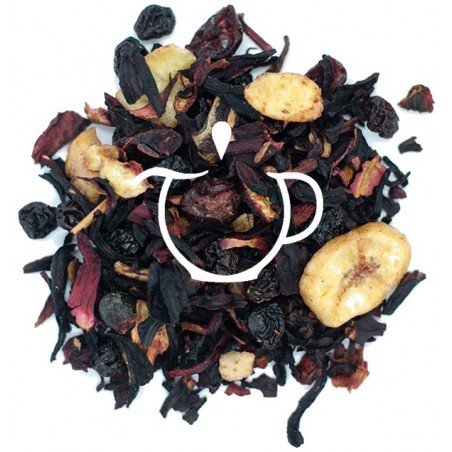
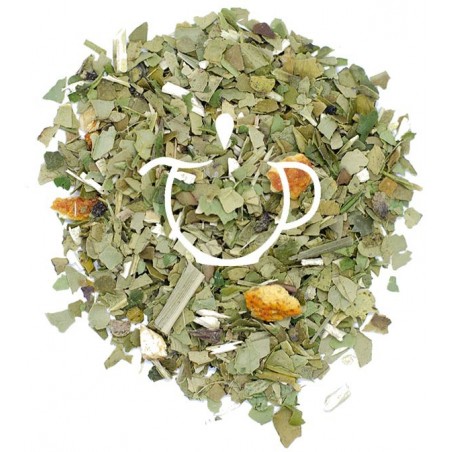
Herbal teas and infusions count toward your daily fluid intake. They also offer additional benefits for BJJ practitioners. Ginger has well-documented anti-inflammatory properties, useful after intense sparring. Chamomile promotes relaxation and improves sleep quality, a key recovery factor. Yerba mate provides a natural energy boost without the sharp spike and crash of coffee, making it a solid option before training.
For practitioners looking for teas and mates specifically designed for athletes, Thé-Passion offers a selection of teas and mates for sports performance, with options suited to both recovery and pre-training energy.
🍵 BJJ-Rules x Thé-Passion
Thé-Passion brings over 20 years of expertise in tea and herbal infusions. Their teas and mates for athletes range is designed to support practitioners daily: energy before training, recovery after the session, restorative sleep.
Promo code: BJJ10 → 10% off everything at the-passion.fr
How to manage weight for BJJ without sacrificing performance?
To manage weight for BJJ without sacrificing performance, the best approach is to compete at your natural weight or lose weight gradually through a moderate caloric deficit (300 to 500 kcal per day). Drastic weight cuts through dehydration are dangerous, especially at IBJJF events where weigh-ins happen right before matches.
Weight cutting: a risky practice in BJJ
Let’s be blunt: dehydration-based weight cuts are the most counterproductive thing we see in BJJ competition. Practitioners who starve themselves of water for 24 hours to lose 2 kg, then step on the mats completely drained of energy. We’ve seen it too many times, and it rarely ends well.
Drastic weight cutting relies on severe food restriction or voluntary dehydration. It degrades performance, increases injury risk, and can have serious long-term health consequences. At the IBJJF in particular, weigh-ins take place right before matches. Post-weigh-in rehydration is therefore impossible. In this specific context, an aggressive weight cut is doubly counterproductive. The best strategy remains competing at your natural weight, or losing weight gradually over several weeks.
Losing weight without losing performance on the mats
If weight loss is necessary, here are the essential principles of BJJ nutrition during a deficit. First, maintain a high protein intake to preserve muscle mass. Don’t cut carbs before intense sessions. Finally, avoid overly restrictive diets that compromise the energy available for training. When in doubt, working with a sports dietitian is the best option before a targeted competition.
Which supplements are actually worth it for BJJ?
The supplements that are genuinely useful for BJJ nutrition are creatine monohydrate (explosive power), omega-3s (anti-inflammatory), magnesium (sleep and muscle relaxation), and vitamin D (bone and immune health). Protein powder is a convenient addition, but never essential if your diet is already balanced.
Creatine monohydrate. One of the most well-researched supplements in sports science. It improves explosive power and recovery between repeated high-intensity efforts. This makes it particularly relevant for BJJ, where scrambles and maximal bursts come one after another. Standard dose: 3 to 5 grams per day.
Protein powder (whey or plant-based). Useful when dietary intake alone falls short. Not essential with a balanced diet, but convenient for late-night post-training meals.
Omega-3s. Their anti-inflammatory benefits are well established. Particularly helpful for practitioners dealing with chronic joint pain. Recommended dose: 2 to 3 grams of EPA+DHA per day. Worth noting: herbal infusions with turmeric or ginger naturally complement this anti-inflammatory approach. This is one of the reasons why more and more practitioners are adding sports-focused teas and infusions to their recovery routine.
Magnesium. Frequently deficient in athletes. It supports sleep quality and muscle relaxation. Go for bisglycinate or malate forms, which are better absorbed than magnesium oxide.
Vitamin D. Deficiency is common, especially during winter months. It’s essential for bone, muscle, and immune health. A supplementation of 1,000 to 2,000 IU per day during fall and winter is reasonable for most practitioners.
On the other hand, skip the fat burners, high-caffeine pre-workouts, and anything making outsized promises. A balanced diet, proper hydration, and sufficient sleep outperform any supplement. That’s the foundation of BJJ nutrition.
Conclusion: BJJ nutrition, the invisible training session
BJJ nutrition isn’t rocket science. It comes down to a few simple principles. Eat complex carbs before training for energy. Consume protein and carbs after to recover. Stay hydrated throughout the day. Sleep enough for all of this to actually work.
The details get refined over time. Every body reacts differently. Start with the basics, observe how your body responds, and adjust gradually. That’s the most effective and sustainable approach to turning BJJ nutrition into a real performance lever.
📌 BJJ Nutrition at a Glance
✔️ Before: complex carbs + moderate protein (2-3h out) or light snack (30-60 min)
✔️ After: protein + carbs within 30-60 min (1:3 or 1:4 ratio)
✔️ Hydration: all day, 500 ml in the 2h before, rehydrate x1.5 after
✔️ Useful supplements: creatine, omega-3s, magnesium, vitamin D
✔️ Weight: no drastic cuts, moderate deficit over several weeks
FAQ: BJJ nutrition questions answered
Should you eat before or after BJJ training?
Both matter, but for different reasons. The pre-training meal provides the energy needed for performance. The post-training meal kicks off muscle recovery and replenishes glycogen stores. Ideally, eat a carb-rich meal 2 to 3 hours before, then a meal combining protein and carbs within 30 to 60 minutes after. For more details, check out our guide on improving in BJJ.
How much protein per day for a BJJ practitioner?
An intake of 1.6 to 2 grams of protein per kilogram of body weight per day (0.7 to 0.9 g per pound) is recommended for regular practitioners. For a 75 kg (165 lb) person, that translates to 120 to 150 grams of protein daily. This can be achieved through food alone (meat, fish, eggs, legumes) or supplemented with whey protein if needed.
Can you train BJJ on an empty stomach?
For light technique work or drilling, training fasted can work without major impact. For intense sparring, however, it’s counterproductive. Explosive performance and focus depend directly on blood sugar levels. Even a small carb intake (a banana, a few dates) 30 minutes before the session makes a significant difference.
What should you drink during BJJ training?
For sessions under 90 minutes, plain water is sufficient. For longer sessions or hot environments, an electrolyte drink (sodium, potassium) helps compensate for losses from sweating. After training, ginger or chamomile infusions also support recovery. Thé-Passion has options specifically designed for athletes.
Is creatine useful for BJJ?
Yes. Creatine monohydrate is one of the most extensively studied supplements in sports science. It improves explosive power and recovery between repeated high-intensity efforts, which perfectly matches the demands of BJJ (scrambles, takedowns, submission attempts). A dose of 3 to 5 grams per day is the standard recommendation. It poses no health risk at standard dosages.
How to lose weight for a BJJ competition without losing performance?
The best approach is to lose weight gradually over several weeks with a moderate caloric deficit of 300 to 500 kcal per day. Keep protein intake high to preserve muscle mass, and don’t cut carbs before intense sessions. Avoid voluntary dehydration, especially for IBJJF competitions where weigh-ins take place right before matches. For more on staying injury-free, check out our article on starting BJJ.
This article is for informational purposes only and does not replace professional medical advice. Consult a doctor or sports dietitian before making significant changes to your diet, especially if you have pre-existing health conditions.
For further reading, check out our guide on improving in BJJ with two sessions a week, our article on starting BJJ, and our BJJ belt system guide.